1. Principle of rapid freezing
Rapid cooling: Reduce the center temperature from -1 ℃ to -5 ℃ within 30 minutes, ultimately reaching below -15 ℃
Ice crystal control: Form small and uniform ice crystals (≤ 2 μ m) to avoid damage to cell structure, preserve the original taste and nutrition
Enzyme activity inhibition: Quickly pass through the "dangerous temperature zone" of 0 ℃~-5 ℃ to prevent browning and nutrient loss
2. Process flow
General process: raw material selection → pre cooling → cleaning → sorting (peeling/nucleating/cutting) → blanching (optional) → cooling → draining → quick freezing → packaging → frozen storage
Key links:
Pre cooling: removes field heat, reduces metabolic activity, and extends shelf life
Blanching: Hot water treatment at 100 ℃ (1-1.5min for legumes, 3-5 min for spinach), enzyme inactivation for color protection
Quick freezing: Completed in 10-25 minutes at -30 ℃~-40 ℃ environment
Frozen storage: -18 ℃± 2 ℃, shelf life can reach six months to one year
1. Fruits
Berries (strawberries/blueberries): Whole fruit frozen, using fluidized bed to prevent adhesion
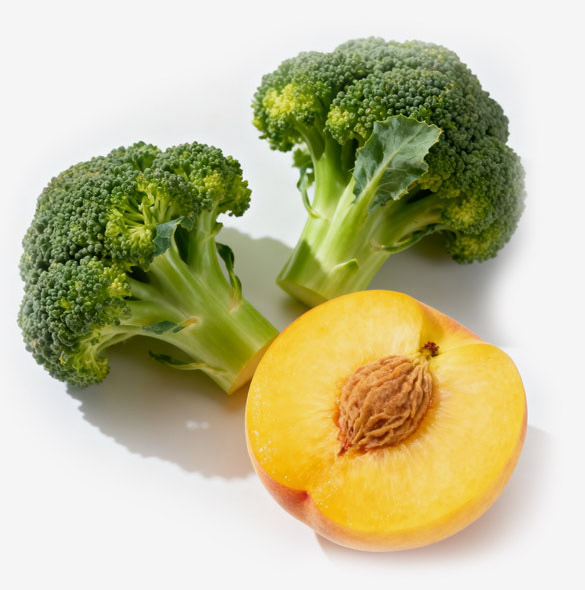
Stone fruits (peach/plum): Hot blanching and peeling (90-95 ℃, 30-60s) → cutting → color protection (0.1% citric acid)
Renguo (apple/pear): Peel → Cut → Soak in ascorbic acid to prevent browning → Quick freeze
2. Vegetables
Leafy vegetables (spinach/broccoli): remove yellow leaves → wash → cut into sections → blanch (3-5 minutes) → cool with ice water
Roots and roots (potatoes/lotus roots): Peel → Cut → Blanch → Cool → Single quick freeze
Beans (peas/green beans): blanching (1-1.5min) → cooling → draining → quick freezing
|
Device Type |
Applicable Products |
Advantage |
|
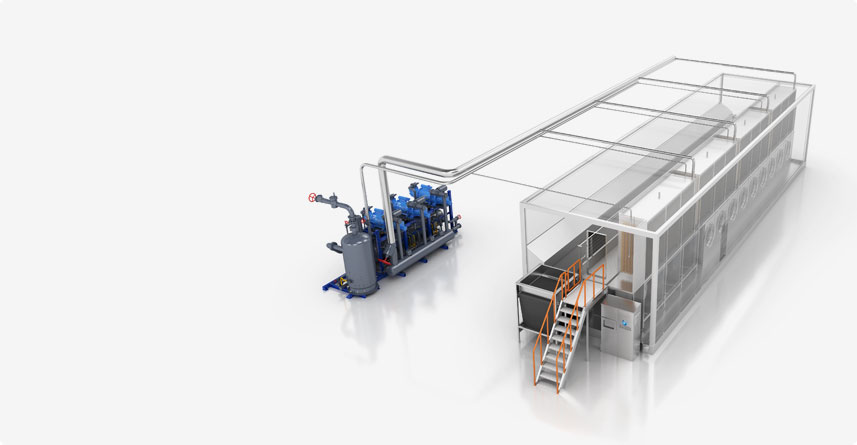
Individual Quick Freezer |
Small fruits and vegetables, berries |
Monomer separation without adhesion, uniform freezing |
|
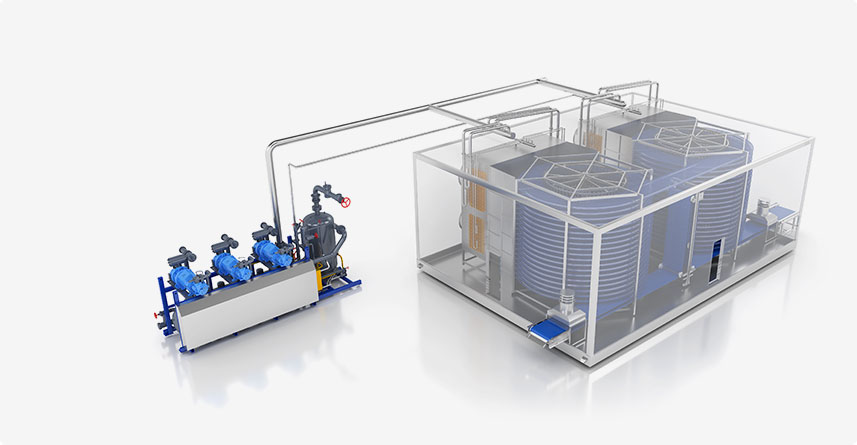
Spiral Quick Freezer |
Various types of fruits and vegetables |
Space saving, small footprint, high output |

Telephone:0086-18563669775
WhatsApp:+86-18563669775
Email: dtsfreezer@dtszb.com
Add.: No. 6577 Xinghua East Road, Zhucheng City, Weifang City, Shandong Province



TikTok